Feeding comfort
Tell the care team about persistent difficulty latching, painful breastfeeding, or feeding concerns despite support.

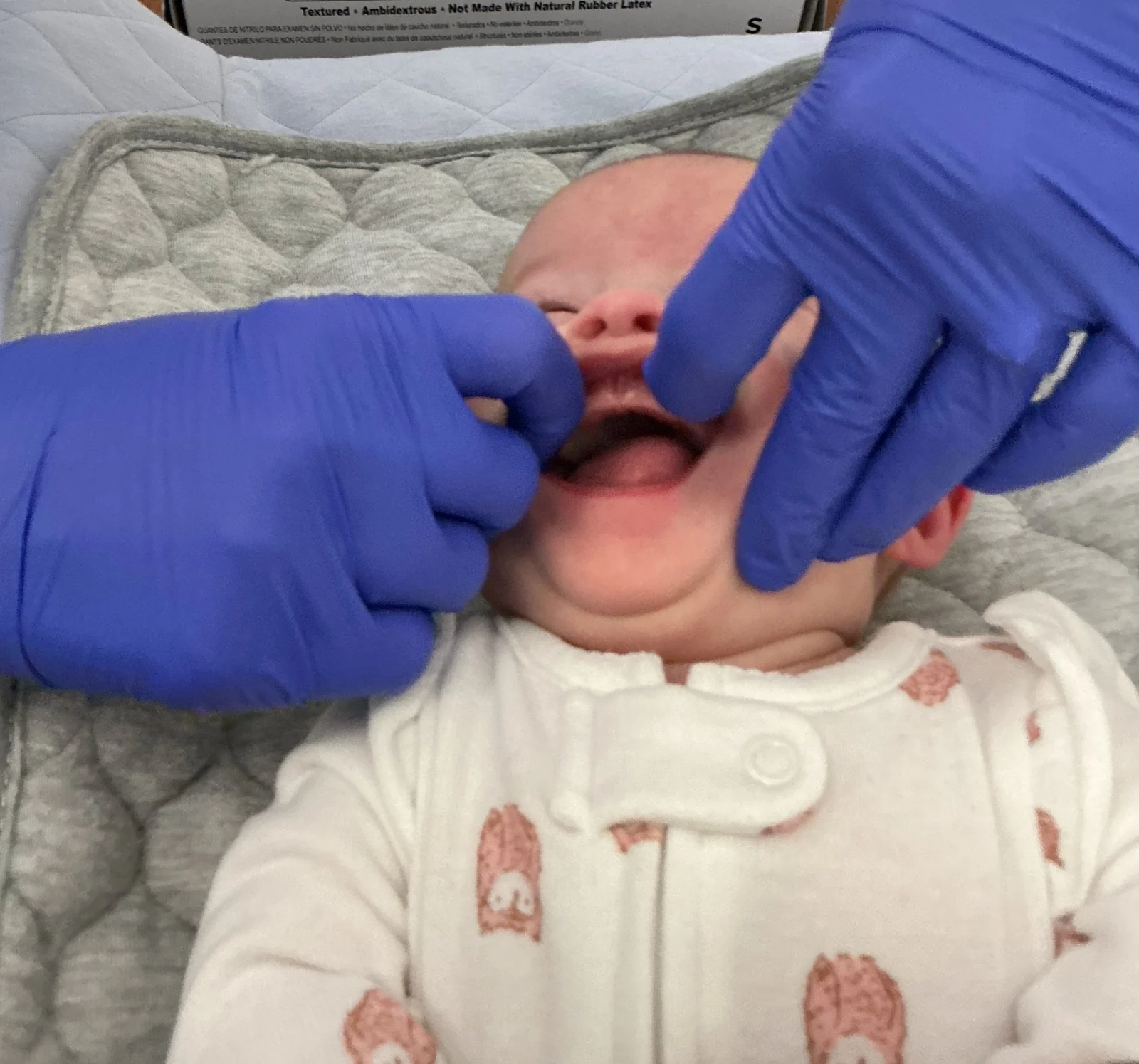
Feeding concerns can bring a lot of questions. At Peak Family Dentistry, Dr. Billie Adams evaluates infant tongue movement and helps families understand whether further care is appropriate.
A tongue-tie is a restriction involving the tissue beneath the tongue, called the lingual frenulum. When movement is limited, an evaluation can help determine whether that restriction contributes to a baby’s feeding difficulties.
Feeding challenges have many possible causes. A visible frenulum alone does not establish a need for treatment, and not every infant with a tongue-tie needs a procedure.
Dr. Adams can discuss the examination findings alongside your baby’s feeding history. Pediatric and lactation support are important parts of understanding the whole picture.
Tell the care team about persistent difficulty latching, painful breastfeeding, or feeding concerns despite support.
Bring growth information and any recommendations from your pediatrician or lactation consultant.
Share feeding adjustments, previous evaluations, and the questions you still want answered.
These concerns can have several causes. An examination helps guide the next step.
A frenectomy is a procedure that releases restrictive frenulum tissue. If it is recommended for your infant, the team should explain the reason, alternatives, risks, expected benefits, and follow-up.
Ask how the decision relates to your baby’s feeding function and what support may still be needed afterward. A procedure is only one part of a care plan.
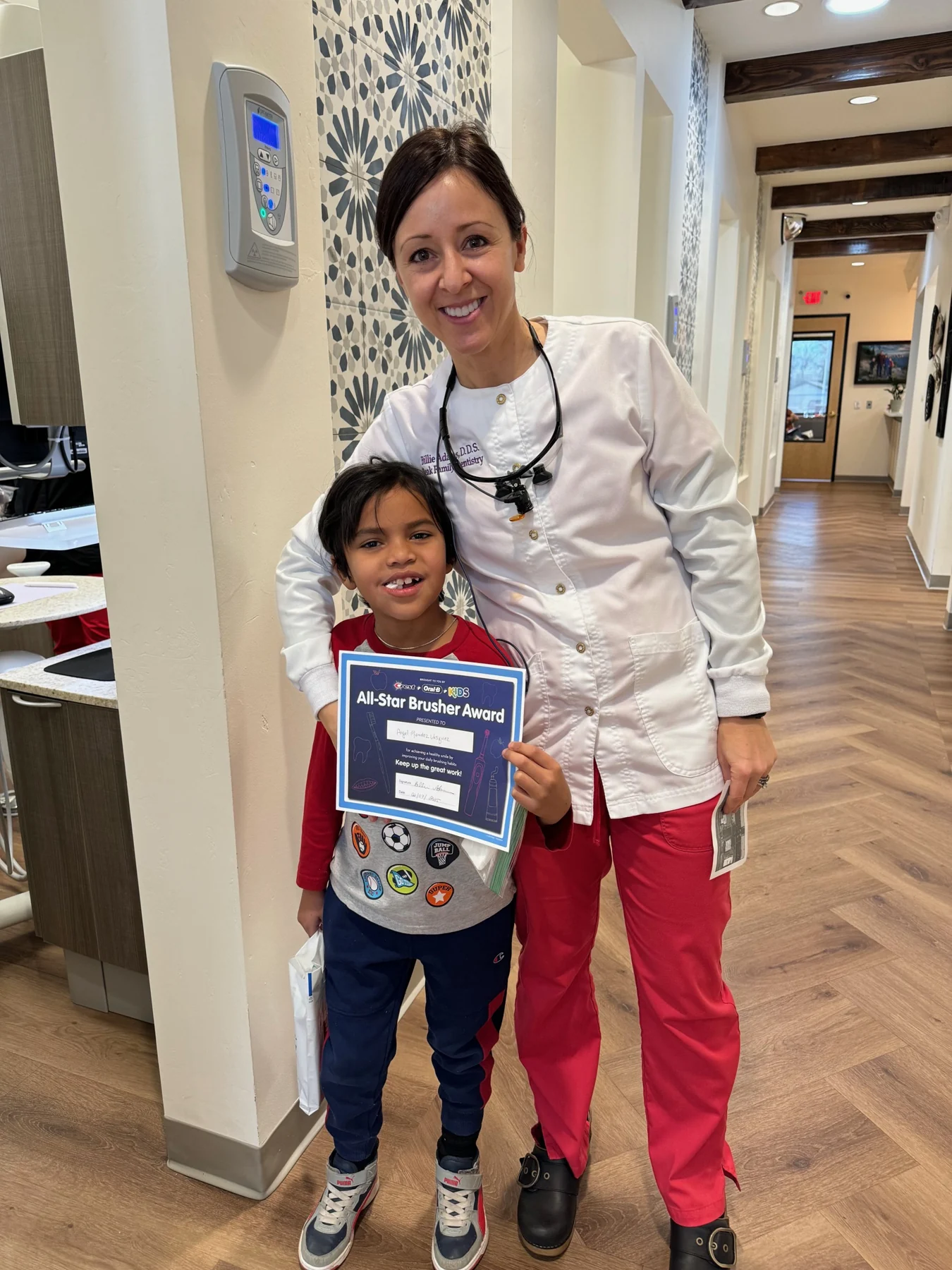
Call the office and describe your baby’s age, feeding concerns, and any previous assessments.
Review the examination and ask whether observation, feeding support, or a procedure is appropriate.
If treatment is recommended, ask for individualized preparation, aftercare, and follow-up instructions.
Parents often arrive with a question about a baby tongue-tie, a painful latch, or whether a release might help. The useful starting point is a description of feeding: what is difficult, when it began, and what has already been assessed.
An oral examination and feeding assessment answer related but different questions. Tongue movement, feeding effectiveness, and growth information can help the care team understand whether a restriction is contributing to a problem. Your pediatrician or lactation professional may assess a feeding session and milk transfer; share those findings with the dental team.
Bring available growth records and recommendations from other providers. If you have had a previous tongue-tie evaluation or procedure, include that history. A photo can help explain your concern, but an appearance-based comparison cannot replace an individual assessment.
A release may be discussed when a restrictive tongue frenulum is associated with ongoing feeding difficulties after appropriate support. Observation, feeding adjustments, or referral may also be part of the discussion. Not every difficulty with nursing is caused by a tongue-tie.
You may hear “frenotomy,” “frenectomy,” or “tongue-tie release.” Ask which technique is being proposed and why. If a laser procedure is recommended, discuss the same questions about indication, alternatives, risks, comfort measures, and follow-up that you would for any other technique.
A release cannot promise a particular feeding outcome. The decision should address the baby’s current function rather than a promise to prevent future speech, sleep, or dental problems. Concerns about an upper lip frenulum also deserve a separate explanation; appearance alone is not a treatment indication.
For older children and adults, see our broader tongue-tie and lip-tie treatment page. This guide focuses on infant evaluation and family decision-making.
A procedure, if chosen, does not replace ongoing feeding support. Before leaving, ask how feeding and growth will be followed and which provider should reassess persistent concerns. If feeding has not improved, other possible causes still need attention.
Ask for instructions tailored to your infant: feeding after the visit, comfort measures, any recommended care at home, the follow-up plan, and a contact number for questions. Do not substitute an online exercise schedule or medication recommendation for the instructions given for your baby.
When arranging the appointment, ask what to bring and whether any preparation is needed. You can also request an estimate separating the evaluation, any proposed procedure, and follow-up. Our Albuquerque office team can answer scheduling and payment questions before your visit.
No. The recommendation should consider function, feeding concerns, and appropriate feeding support. A visible frenulum or a photograph alone does not establish a need for a procedure.
A restrictive tongue frenulum may contribute to feeding difficulty in some infants, but breastfeeding concerns have many possible causes. A coordinated feeding and clinical assessment helps guide the next step.
For breastfeeding concerns, lactation support can help assess feeding and guide adjustments. Share existing recommendations with the dental team and pediatrician so decisions consider the full feeding picture.
The use of a laser does not by itself establish that a release is needed or guarantee a better outcome. Ask why the proposed technique is recommended for your baby and discuss alternatives and risks.
Fees depend on the evaluation and the care actually recommended. Ask for a written estimate covering the consultation, any procedure, and follow-up, and confirm insurance or payment details with the office.
Continue working with your baby’s pediatrician and feeding professionals. Follow-up should consider feeding and growth, not only the appearance of the treated area. Persistent difficulty may have other causes.
Yes. Let the office know you are requesting an infant tongue-tie evaluation and want to discuss your options. Ask any questions before deciding on treatment.
For more background, explore AAPD: management of the frenulum in pediatric patients, AAP: tongue-tie in babies and feeding concerns.
Contact Us Today
Dr. Adams and the staff of Peak Family Dentistry are here to help patients in Albuquerque, NM, experience the benefits of great health and beautiful smiles. We treat you like a member of our family. Your voice matters, your presence is welcome, and we are always glad to hear from you.
You can also reach us by phone at:
(505) 293-2211